Top Organic Pesticides for Healthier Cannabis Crops
Top Organic Pesticides for Healthier Cannabis Crops
Achieving high-quality cannabis buds while keeping pests and diseases in check doesn’t require synthetic chemicals. A wide range of OMRI-listed and FIFRA 25b exempt organic options are available that protect your plants without compromising crop quality, consumer safety, or your growing environment. Browse our full Cannabis Pesticides collection or read on for a breakdown of each category.
Plant-Derived Compounds — Sustainable Pest Control
Plant-derived pesticides are among the most versatile and effective organic options for cannabis growers.
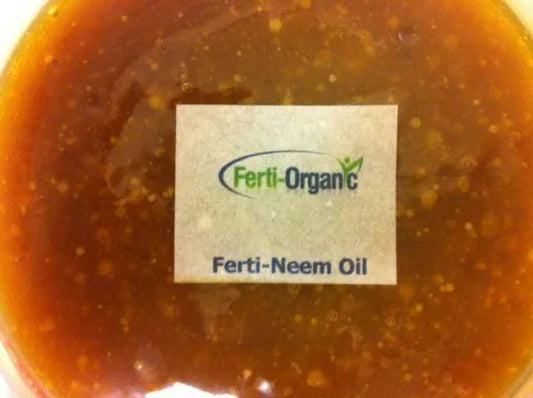
- Azadirachtin / Neem Oil — Extracted from the neem tree, neem oil targets aphids, spider mites, and whiteflies by interfering with their feeding and reproductive cycles. Also has antifungal properties, making it a multi-purpose tool in your IPM program.
- Pyrethrin — Derived from chrysanthemum flowers, pyrethrin disrupts insect nervous systems for fast knockdown against caterpillars, thrips, and a wide range of other pests. Breaks down quickly with no synthetic residues.
Essential Oils — Natural Defense Concentrates
Botanical essential oil concentrates offer broad-spectrum pest and disease control with low mammalian toxicity — safe for use in occupied grow environments.
- EcoVia 3-in-1 Emulsifiable Concentrate — A synergistic blend of botanical oils that acts as both insecticide and fungicide. Targets aphids, mites, and whiteflies while preventing fungal infections. Mixes easily with water for precise, even coverage.
- Essentria IC Pro Insecticide Concentrate — Essential oil blend effective against gnats, spider mites, aphids, and more. FIFRA 25b exempt, safe for use around humans and pets. Follow label rates for best results.
Beneficial Bacteria — Targeted Biological Control
Beneficial microbiology provides targeted, crop-safe pest control that aligns with organic farming principles.
- Bacillus thuringiensis (Bt) — A naturally occurring soil bacterium that produces proteins toxic to caterpillars and leaf miners but harmless to cannabis plants, beneficial insects, and humans. Bt also improves overall soil health and nutrient uptake when applied to the root zone. Follow application timing guidelines carefully — Bt is most effective against early larval stages.
Beneficial Fungi — Root Zone Protection & Plant Immunity
Beneficial fungi work below the surface to strengthen plant immunity and suppress pathogens — a cornerstone of preventive organic IPM.
- Mycorrhizae — Establish a symbiotic relationship with cannabis roots, extending the root system to improve nutrient and water uptake. Also fortifies plants against pest pressure and environmental stress.
- Trichoderma — Colonizes the root zone and outcompetes harmful pathogens for space and nutrients. Produces compounds that inhibit pathogenic fungi, adding a biological layer of disease suppression.
Insecticidal Soaps — Gentle, Fast-Acting Contact Control
Insecticidal soaps are a highly effective contact pesticide for soft-bodied pests — safe for plants, beneficial insects, humans, and pets.
Soaps work by penetrating the protective outer layer of aphids, whiteflies, and spider mites, dehydrating them on contact. They break down rapidly in the environment with no harmful residues. Dilute per label instructions and spray directly onto affected plant surfaces. Effective at all growth stages from seedling to late flower.
Mineral Oil — Smothering Action Against Soft-Bodied Pests
Mineral oil-based pesticides smother insects by blocking their breathing, making them particularly effective against aphids, mites, and other soft-bodied pests. Generally safe for humans and pets, and compatible with organic farming standards. Apply as a light spray to affected areas — no complex procedures required. A simple, sustainable option that fits easily into any IPM rotation.
Building an Effective Organic IPM Program
The most effective organic pest management programs combine multiple modes of action — preventive (mycorrhizae, Trichoderma, Bt), contact (neem, pyrethrin, soaps, essential oils), and systemic (beneficial bacteria). Rotate products to prevent resistance and always follow label rates. For help selecting the right products for your crop and scale, contact our team.