Biological Pest Control for High-Value Crops: Identifying Pests & Choosing Organic Solutions
Start with Accurate Pest Identification
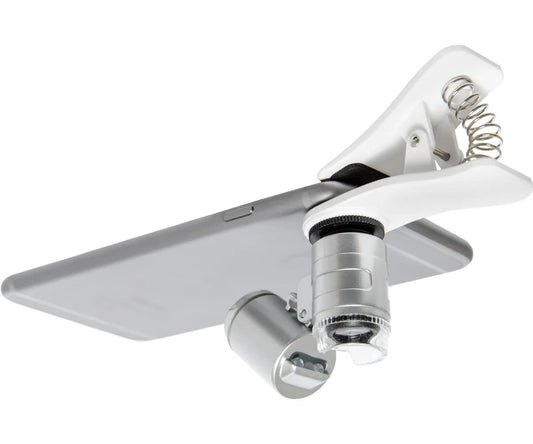
Effective pest control begins with knowing exactly what you're dealing with. Many crop pests — spider mites, russet mites, fungus gnat larvae, aphids — are too small to identify with the naked eye. Custom Hydro carries magnification tools to help:
- 30x Lighted Loupe — Ideal for quick in-canopy inspections of leaves and stems
- 60x Cell Phone Microscope — Attach to your phone for detailed photos you can reference or share
Look for visible signs on plants: holes in leaves, discolored or distorted foliage, webbing, white powdery residue, or stippling. Also inspect the soil surface and undersides of leaves where pests and eggs often hide.
Yellow sticky traps are essential for any IPM monitoring program. While they don't provide enough catch volume for control, they help you identify which pests are present and track population trends over time. Use colored traps (yellow for fungus gnats/whiteflies, blue for thrips) for best results.
Common pests to watch for: aphids, spider mites, russet mites, thrips, fungus gnats, caterpillars/loopers, whiteflies, and powdery mildew.
Why Organic & Biological Solutions?
Synthetic chemical pesticides can contaminate soil, water, and air — and leave residues that affect crop quality and consumer safety. Organic and biological alternatives offer targeted, effective pest control without these risks:
- FIFRA 25b exempt — Minimum-risk pesticides exempt from EPA registration; safe for use in occupied grow environments. Learn more from the EPA.
- OMRI Listed — Independently verified as compliant with USDA National Organic Program (NOP) standards
- Beneficial-insect safe — Targeted modes of action that spare predatory insects and pollinators
- No synthetic residues — Critical for specialty crops where end-product purity is paramount
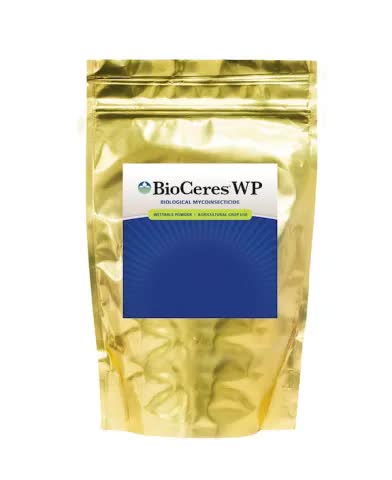
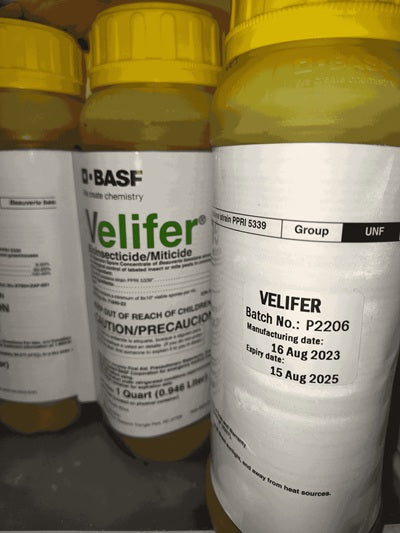
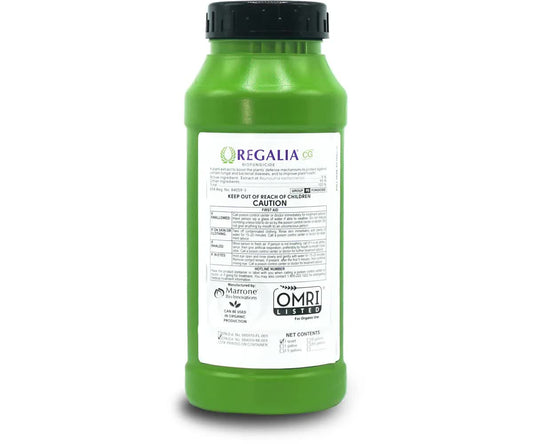
Custom Hydro's Organic Pest Control Product Range
Browse our full Pest & Disease Controls collection, or shop by category:
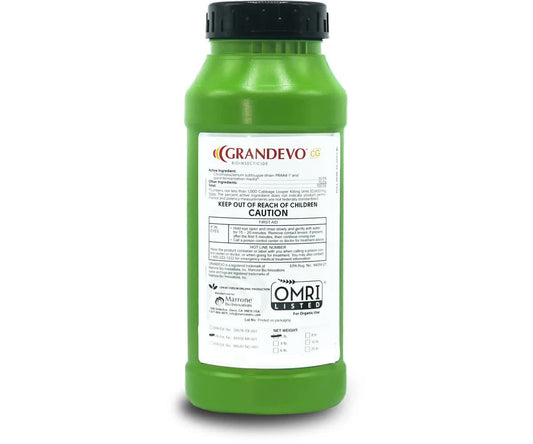
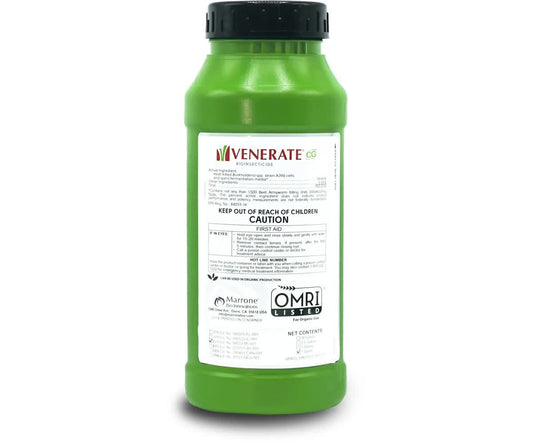
- Insecticides — Targets aphids, thrips, whiteflies, fungus gnats, caterpillars, and more
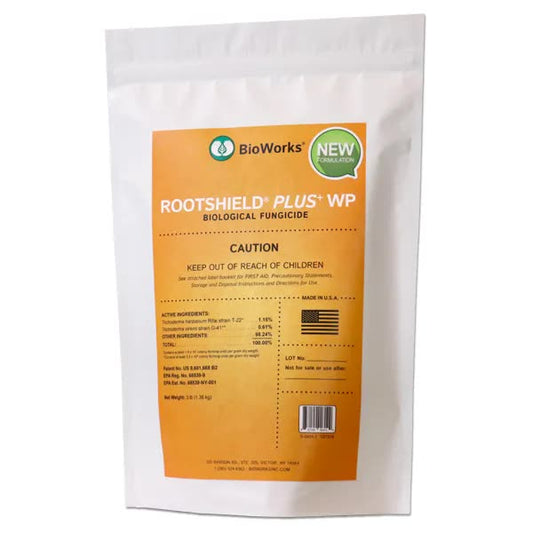
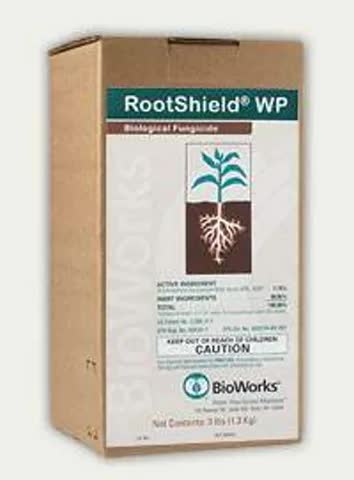
- Fungicides — Controls powdery mildew, botrytis, pythium, and other fungal pathogens
- Miticides — Targets spider mites, russet mites, and broad mites
- PPE — Gloves, goggles, and protective clothing for safe application
Application Best Practices
- Read the label first — Application rates, timing, and safety precautions vary by product; always follow label directions
- Match product to pest — Insecticides, fungicides, and miticides each target different organisms; use the right tool for the job
- Cover thoroughly — Spray both upper and lower leaf surfaces, stems, and soil surface as appropriate for the pest
- Rotate modes of action — Alternate between product classes to prevent resistance development
- Timing matters — Apply during lights-off or low-light periods to reduce phytotoxicity risk and improve coverage
- Wear PPE — Even with FIFRA 25b exempt products, use gloves and eye protection during mixing and application
- Store properly — Keep products away from direct sunlight and temperature extremes for long-term stability
IPM Best Practices: Prevention First
- Garden hygiene — Remove fallen leaves, dead plant material, and debris regularly; pests breed and hide in organic matter
- Sticky trap monitoring — Check traps weekly and log counts to catch infestations early before they escalate
- Crop rotation — Rotate crop placement annually to disrupt pest life cycles tied to specific plant families
- Encourage beneficial insects — Ladybugs, lacewings, and predatory mites naturally suppress pest populations
- Avoid overwatering — Wet soil and high humidity favor fungus gnats, pythium, and botrytis; maintain proper drainage and airflow
- Quarantine new plants — Inspect and isolate any new clones or transplants before introducing them to your main grow space
Need Help Choosing the Right Product?
Not sure which organic pesticide is right for your pest and crop stage? Contact our team — we work with commercial growers daily and can help you build an effective, compliant IPM program.