Why Low-Rate Soluble Fertilizers Actually Boost Your Soil Biology
The debate between chemical and organic fertilizers has created a false choice. The science says something more nuanced — and more useful.
The conventional wisdom is wrong — but so is the overcorrection.
Growers who have moved toward living soil and biological systems are right to be skeptical of heavy chemical inputs. High-rate soluble fertilizer applications do suppress mycorrhizal colonization, crash microbial biomass, and create chemically dependent root systems that stop foraging.
But the conclusion many draw from this — that soluble fertilizers and soil biology are incompatible — is not supported by the research. In fact, peer-reviewed studies consistently show the opposite: at low rates, soluble fertilizers actively stimulate and enhance soil biology through three distinct mechanisms.
Mechanism 1: The Starter Fuel Effect
Mycorrhizal fungi are obligate symbionts — they cannot survive without a plant host providing carbon in the form of root exudates and sugars. At absolute zero-nutrient levels, a plant under severe stress produces so little photosynthate that it has nothing left to share with its fungal partners. The symbiosis collapses not because of chemical interference, but because of carbon starvation.
A foundational study published in Geoderma demonstrated this directly: low fertilization levels resulted in significantly higher root colonization by mycorrhizal fungi compared to both zero-fertilizer and high-fertilizer controls. The researchers concluded that small mineral inputs properly balanced the plant dependency on the symbiosis — giving the plant just enough to thrive, while keeping it reliant on its fungal partners for the rest.
Research published in Soil Biology and Biochemistry on phosphorus availability and arbuscular mycorrhizal fungi confirmed the pattern: colonization rates, shoot biomass, and community diversity all peaked at moderate P levels (20 mg P/kg) and were severely suppressed at high thresholds (250 mg P/kg).
The takeaway: a small dose of soluble fertilizer is starter fuel — for the plant and for the biology that depends on it.
Mechanism 2: The Priming Effect
Soil microorganisms — bacteria, fungi, actinomycetes — require a baseline balance of nitrogen and phosphorus to build their own cellular structures. When native microbial communities are nutrient-limited, their populations stagnate regardless of how much organic matter is present.
A global meta-analysis published in MDPI Applied Sciences (Fertilization and Soil Microbial Community: A Review) found that targeted use of soluble fertilizers at low rates stimulates microbial growth and increases population abundance by relieving that baseline nutrient limitation. A separate study indexed via PubMed on nitrogen fertilization and soil microbial biomass confirmed that low-to-moderate nitrogen applications directly increased microbial biomass and stimulated enzyme activity responsible for carbon and nitrogen cycling.
This is the priming effect: a small mineral input unlocks biological activity that would otherwise remain dormant, waiting for nutrients that mineralization alone cannot deliver fast enough.
Mechanism 3: Synergistic Recruitment of Beneficial Bacteria
Low-rate mineral nutrition combined with active soil biology triggers a cooperative feedback loop. When a plant has sufficient root architecture — supported by that starter fuel — it begins recruiting Mycorrhization Helper Bacteria (MHB) and Plant Growth-Promoting Rhizobacteria (PGPR) through targeted root exudate signaling.
A comprehensive review in Frontiers in Science (Soil Microbial Resources for Improving Fertilizers Efficiency) highlights that combining low-dose mineral inputs with microbial inoculants creates a highly compatible positive feedback loop: the micro-dose of fertilizer allows the plant to establish enough root architecture to support massive microbial colonization, which in turn improves nutrient cycling efficiency across the entire root zone.
What the Data Actually Shows
| Fertilizer Level | Plant Response | Fungal and Microbial Response |
|---|---|---|
| Zero | Stunted growth; low photosynthesis | Limited carbon from host; symbiosis collapses |
| Low / Moderate | Optimal growth; strong root exudates | Maximum mycorrhizal colonization and microbial biomass |
| High / Excessive | Chemically dependent; lazy roots | Mycorrhizae suppressed; microbial biomass drops |
What This Means in Practice
Spoon-feeding — applying soluble nutrients at low concentrations on a frequent schedule rather than high rates infrequently — is the application method that maps directly onto what the research supports. It keeps the plant in the optimal zone: well-nourished enough to photosynthesize and exude carbon, but not so saturated that it stops relying on its biological partners.
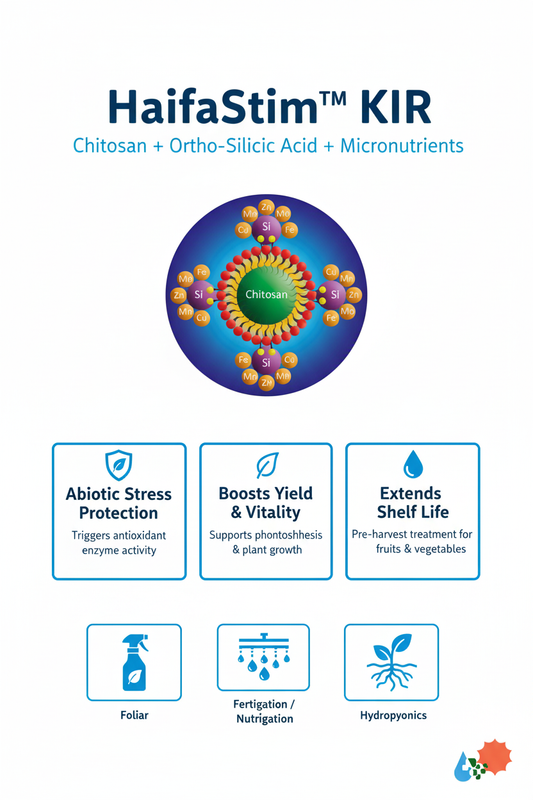
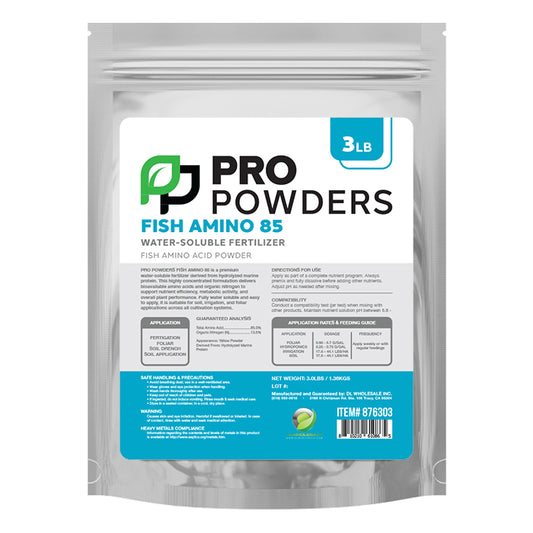
Paired with biostimulants — seaweed extract for cytokinin activity, fulvic acid for micronutrient chelation, humic acid for CEC improvement, amino acids for stress mitigation, and chitosan as an immune elicitor — low-rate soluble nutrition becomes the foundation of the most resilient growing system available.
Not organic. Not chemical. Both — working together.
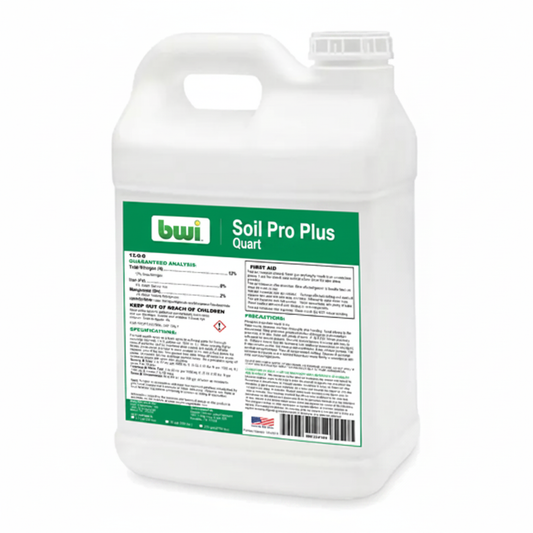
Browse our Water Soluble Fertilizers and BioStimulants collections to build your program.