Shipping Hazardous Agricultural Chemicals: What Commercial Buyers Need to Know
Ordering hazardous agricultural inputs online is straightforward until it isn't. A shipment gets held at a carrier hub, arrives without documentation, or can't be delivered because the packaging doesn't meet DOT requirements. For commercial operations that depend on these materials to run their nutrient programs, a delayed or refused shipment isn't a minor inconvenience — it's a production problem.
This article covers how hazardous agricultural chemicals are classified, packaged, and shipped — and what to expect when you order from a compliant supplier. It's written for buyers, not logistics managers, so the focus is on what actually matters for your operation.
How Hazmat Classification Works
The U.S. Department of Transportation (DOT) and Transport Canada classify hazardous materials into nine hazard classes based on their primary risk. Agricultural inputs span several of these classes. The ones most relevant to commercial fertilizer and nutrient programs are:
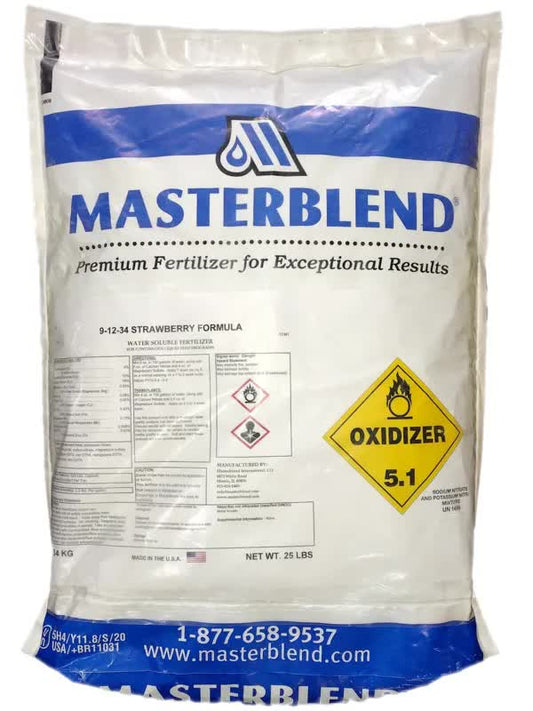
- Class 5.1 — Oxidizers: Materials that can intensify combustion in other materials by releasing oxygen. Common agricultural examples include potassium nitrate, calcium nitrate, and sodium nitrate. These are widely used as nitrogen and potassium sources in hydroponic and fertigation programs but require specific packaging and handling due to their oxidizing properties.
- Class 8 — Corrosives: Materials that cause irreversible damage to skin, eyes, or metal on contact. This class covers a wide range of agricultural inputs — pH-up agents like potassium hydroxide (KOH) and potassium carbonate (K₂CO₃), as well as pH-down acids including phosphoric acid and sulfuric acid. Corrosives are among the most commonly shipped hazmat materials in commercial horticulture.
- Class 3 — Flammable Liquids: Liquids with a flash point below 60°C (140°F). Some agricultural adjuvants, solvents, and specialty inputs fall into this class.
Within each class, materials are further assigned a Packing Group (PG) that reflects the degree of hazard: PG I (great danger), PG II (medium danger), or PG III (minor danger). Packing Group determines packaging requirements and quantity limits per package. A Class 8 corrosive like potassium hydroxide flake is typically classified as UN1813, PG II — which carries more stringent packaging requirements than a PG III material.
Every regulated hazmat shipment is identified by a four-digit UN number assigned by the United Nations. These numbers appear on shipping labels, bills of lading, and Safety Data Sheets (SDS). Knowing the UN number for a material tells you its hazard class, packing group, and applicable shipping regulations at a glance.
UN-Certified Packaging: Why It Matters
Hazardous materials must be shipped in packaging that has been tested and certified to meet DOT and international standards. UN-certified packaging is tested for drop resistance, stacking loads, leakproofness, and hydrostatic pressure — the specific tests required depend on the hazard class and packing group of the material inside.
UN certification markings appear on the packaging itself and include the UN symbol, a packaging code indicating the type and material of the container, the packing group(s) it's certified for, the year of manufacture, and the country of certification. A compliant supplier will use packaging that matches the hazard class and packing group of the material being shipped — not just any container that fits.
For buyers, the practical implication is straightforward: if a hazmat shipment arrives in packaging that isn't UN-certified for the material inside, the supplier is out of compliance with DOT regulations. This creates liability for the shipper and, in some cases, for the receiver. It also means the packaging hasn't been tested to contain the material under the stress conditions of commercial transport.
All hazmat shipments from Custom Hydro Nutrients use UN-certified packaging matched to the specific hazard class and packing group of each product.
Safety Data Sheets (SDS)
A Safety Data Sheet is a standardized document that provides detailed information about a hazardous material — its physical and chemical properties, health and safety hazards, protective equipment requirements, emergency response procedures, and regulatory information including UN number, hazard class, and packing group.
DOT regulations require that an SDS accompany hazmat shipments. For commercial operations, SDS documents serve several practical functions beyond regulatory compliance:
- Employee safety training: OSHA's Hazard Communication Standard (HazCom) requires that workers who handle hazardous chemicals have access to SDS documents and are trained on their contents.
- Emergency response: In the event of a spill, leak, or exposure incident, the SDS provides first responders and facility staff with the information needed to respond correctly.
- Storage and compatibility: SDS documents specify storage requirements and incompatible materials — critical information for operations that store multiple hazmat inputs in the same facility.
- Regulatory recordkeeping: Many state and local right-to-know laws require facilities to maintain SDS files for all hazardous chemicals on-site.
Every hazmat shipment from Custom Hydro Nutrients includes the current SDS for each product in the order. SDS documents are also available on individual product pages for reference before ordering.
Carrier Options and Geographic Coverage
Not all carriers accept hazardous materials, and those that do have specific requirements for packaging, labeling, documentation, and quantity limits. Commercial hazmat agricultural inputs ship via two primary methods:
UPS Ground. UPS Ground accepts a wide range of hazmat materials under its hazardous materials program, subject to quantity limits per package and per shipment. Ground-only shipping is a DOT requirement for many Class 8 corrosives and Class 5.1 oxidizers — air transport is prohibited or heavily restricted for these materials. UPS Ground is the standard method for smaller orders of hazmat inputs and provides shipment tracking from pickup through delivery.
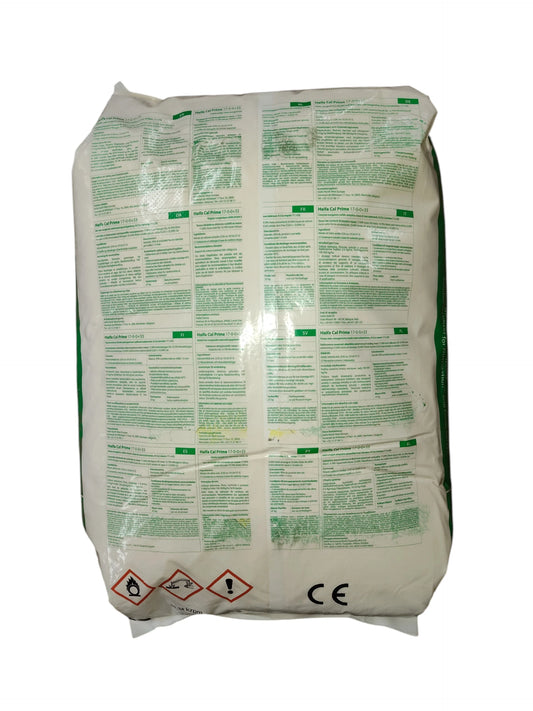
LTL Freight. Less-than-truckload freight is the appropriate method for bulk and pallet-quantity orders. LTL carriers that handle hazmat shipments operate under DOT regulations for ground transport and are equipped to handle the placarding, documentation, and handling requirements for larger hazmat quantities. LTL is the standard method for 50 lb bags, drums, and multi-pallet orders where UPS Ground quantity limits would otherwise apply.
Geographic coverage. Hazmat agricultural inputs ship to all 48 contiguous U.S. states and to Canada via both UPS Ground and LTL freight. Alaska and Hawaii are excluded due to the air transport restrictions that apply to most hazmat classes — ground-only routing to non-contiguous states is not commercially viable for these products. Some products carry additional state-level restrictions based on local pesticide or fertilizer registration requirements; these are noted on individual product pages.
What to Expect When Your Order Ships
A compliant hazmat shipment involves more documentation and handling steps than a standard parcel. Here's what the process looks like from the buyer's side:
- Order confirmation and processing: Hazmat orders may require additional processing time to ensure correct packaging selection, labeling, and documentation preparation before handoff to the carrier.
- Shipping confirmation and tracking: You'll receive a tracking number when the shipment is picked up. UPS Ground tracking is real-time. LTL freight tracking varies by carrier but typically provides pickup confirmation, in-transit updates, and estimated delivery windows.
- Delivery requirements: Some hazmat shipments require a signature at delivery. For LTL freight, delivery is typically to a loading dock or curbside — confirm your facility's receiving capabilities when placing large orders.
- Inspect on arrival: Before signing for a hazmat delivery, inspect the outer packaging for damage, leaks, or deformation. If packaging is compromised, note the damage on the delivery receipt before signing and contact the supplier immediately. Do not refuse the shipment without documenting the condition — this creates a record for the carrier claim process.
- SDS on file: Add the SDS documents from your shipment to your facility's hazmat binder or digital recordkeeping system. OSHA requires these to be accessible to employees who work with or near the materials.
Storage and Compatibility at Your Facility
Receiving hazmat inputs correctly is only part of the equation. How you store them matters as much as how they're shipped.
A few non-negotiable rules for common agricultural hazmat classes:
- Oxidizers (Class 5.1) must be stored away from flammables, combustibles, and organic materials. Potassium nitrate and calcium nitrate in contact with organic material under heat or pressure can create fire or explosion hazards. Dedicated, cool, dry storage away from fuel, wood, and other organics is required.
- Corrosives (Class 8) must be stored in compatible secondary containment. Acids and bases should be stored separately — mixing a strong acid with a strong base generates significant heat and can cause violent reactions. Use acid-resistant secondary containment (HDPE or polypropylene trays) and ensure adequate ventilation.
- Flammable liquids (Class 3) require flammable storage cabinets and must be kept away from ignition sources, oxidizers, and heat.
- Quantity thresholds matter. Many jurisdictions have reporting requirements for facilities that store hazmat materials above certain quantities. Check with your local fire marshal or AHJ (Authority Having Jurisdiction) if you're storing significant volumes of any hazmat class.
The Bottom Line for Commercial Buyers
Ordering hazardous agricultural inputs from a compliant supplier means the regulatory burden — UN-certified packaging, proper labeling, carrier compliance, SDS documentation — is handled before the shipment leaves the warehouse. Your job as the receiver is to inspect on arrival, store correctly, maintain your SDS files, and ensure your staff is trained on the materials they handle.
If you're sourcing hazmat agricultural inputs from a supplier who can't tell you the UN number, packing group, or packaging certification for what they're shipping, that's a compliance gap worth taking seriously — both for your operation's safety and for your regulatory exposure as the end receiver.
Questions about a specific product's hazmat classification, shipping eligibility to your location, or SDS documentation? Contact us before placing your order and we'll give you a straight answer.